Three Ways Our CNC Tube Bending Prevents Warping Issues
In this article:
When you need tube bending, you need more than reliability; you need precision. Bent metal tubing is used in an extensive variety of items from public handrails to exhaust pipes. But it also presents challenges. Tubes that are warped can compromise structural integrity, leading to problems down the road.
However, CNC tube bending has revolutionized this process. Because it can produce multiple copies with unequaled precision, it has transformed the manufacturing process.
At McIntyre, we invest in the most advanced equipment, from laser welders to the latest CNC tube bending, in order to provide the one-stop shop you need to take the headache out of the process. You can rest assured that our reputation and stellar customer service testify to our track record for accuracy.
Whether you need a single prototype or thousands of production parts, this article explains how CNC tube bending works, why it has become the industry standard, and how McIntyre can deliver exactly what you need, when you need it. Let us take the headache out of the process. Let’s get started today.
But first, a brief review of what CNC bending is.
What Is CNC Tube Bending?
CNC stands for Computer Numerical Control. This means that instead of relying on an operator’s hand and eye tube bending uses a sophisticated computer program. Therefore, the process does not have to solely rely upon the operator’s hand and eye.
CNC tube bending offers two major advantages: exceptional accuracy and the ability to produce multiple bends in a single tube with remarkable consistency.
Three Ways Our CNC Bending Prevents Warping
1. Extensive tooling
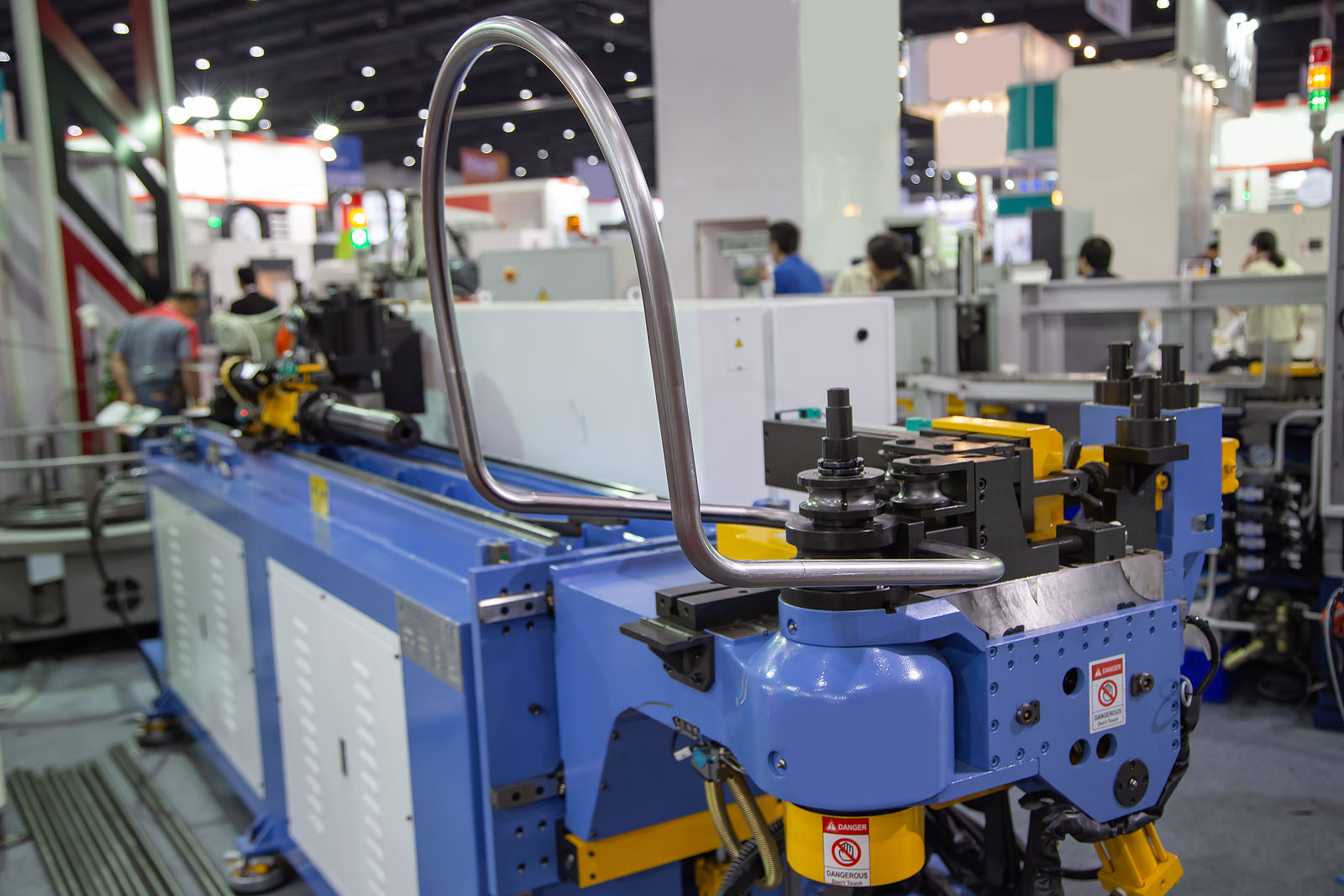
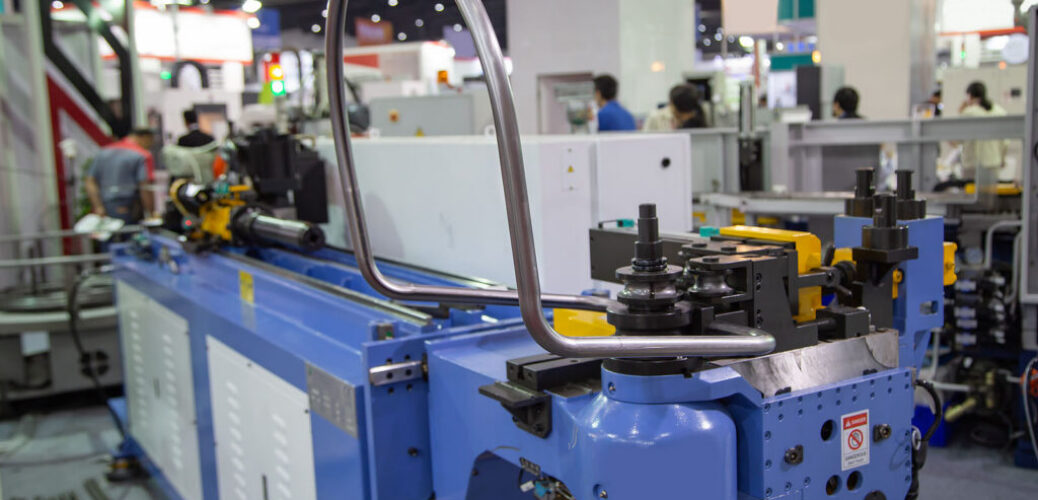
It’s critical to prevent wrinkles from forming during the bending process. Therefore, supportive tooling makes sure the bend die doesn’t shift, and the metal is controlled on every side as it slowly bends. This prevents flattening and collapsing.
2. Repeatable, controlled motion
Because the process is controlled by a sophisticated computer system and does not solely rely on the eyes and ears of an employee, you can rest assured that the machine is regulated to ensure that each part is identical. Uneven stretching can cause cross-sectional distortion and can even weaken the overall structure. You won’t need to worry about that with CNC tube bending.
3. Extensive upfront planning
Success begins long before any metal is bent. Before production starts, we run simulations to confirm that the bend radius is appropriate for the tube’s diameter and wall thickness, which ensures accuracy from the very first part.
How Does CNC Tube Bending Work?
The powerhouse process of bending begins long before the item is placed into a machine. Accurate and intense planning beforehand helps ensure that no detail is overlooked. The design is typically a 3D CAD model or bend coordinates. Then, these are converted into a specialized program.
As we mentioned earlier, the CNC machine actually does the bending. The operator simply loads the tube. From there, the program takes over.
What Are the Advantages of CNC Tube Bending?
We’ve reviewed some of the advantages of this type of tube bending already. But to recap, this process provides the following benefits:
- Accuracy: As we mentioned earlier, because CNC bending relies on a sophisticated computer program, you’ll get unequaled accuracy with every turn.
- Predictable repeatability: Need to run a thousand identical parts? No problem. The CNC process helps ensure that the project meets specs, whether it’s the first one or the 50th one.
- Complex pieces: We recognize that not every piece has one simple bend. It’s necessary to make bends across many planes. This allows even the most complex patterns to be repeated consistently and accurately.
- Quality tubes: Too often, other bending methods can cause wrinkles and deformities in tubes. However, because the inside of the tube is fully supported during the process, it maintains its shape and strength.
- Speed (with less waste): The incredible accuracy of the process not only minimizes the chance of failure but also reduces waste. Not only is CNC tube bending a technological advancement, but it’s also a “green” method of production.
What Materials Can Be Bent Using a CNC Machine?
One of the best benefits of a CNC machine is its ability to bend a wide variety of materials. A few of them are listed below:
- Steel, both mild and stainless
- Copper
- Aluminum
- Brass
- Titanium
Metals aren’t the only materials that can be bent with a CNC machine. These others include:
- Acrylic
- Polycarbonate
- ABS
- Rigid PVC sheets
- Flexible or structural plastics
What Parts Can Be Made Through Tube Bending?
Every day, you’re surrounded by parts that have been made from tube bending. These include:
- Car chassis and exhaust pipes
- Brake lines
- Metal chair legs
- Table frames
- Bed frames
- Exercise equipment
- HVAC coils and duct lines
- Curved shower curtain rods
- Grab rails
- Hand rails on public transportation
Need Precision Tube Bending? When Accuracy Counts, Turn to McIntyre
When John McIntyre started McIntyre Manufacturing Group’s parts business in a small metal shop in his backyard woodshed, he built it on teamwork, quality, and respect.
By combining that talented workforce with intensive investments in the latest technology, we’ve created a one-stop shop where you don’t have to worry about the results.
Do you need a customized bent tube for your next project? Contact us for a quote.
Key Takeaways
- Tube bending is used in products from handrails to exhaust pipes, and warped tubes can compromise structural integrity.
- CNC tube bending uses computer programs instead of an operator’s hand and eye, producing exceptional accuracy and consistent multi-bend parts.
- McIntyre prevents warping through supportive tooling, repeatable computer-controlled motion, and upfront simulation planning.
- The process starts with a 3D CAD model or bend coordinates, which are converted into a machine program the CNC bender follows.
- Key advantages include accuracy, repeatability, the ability to produce complex multi-plane bends, high-quality tubes, and reduced waste.
- CNC bending works on metals such as steel, copper, aluminum, brass, and titanium, as well as certain plastics.
- Bent tubing appears in everyday items like chassis, exhaust pipes, furniture frames, exercise equipment, HVAC lines, and handrails.
- McIntyre, founded by John McIntyre in a backyard woodshed, offers a one-stop shop built on teamwork, quality, and modern technology.